
Vehicle Storage in Reno, NV
Looking for dependable vehicle storage in Reno, NV? At South Meadows RV & Boat Storage, we offer tailored storage solutions for your cars, collectible vehicles and more—providing peace of mind, easy access and the space you need.
Why Choose South Meadows?

- Secure facility, fully fenced, well‑lit, with 24/7 surveillance.
- On‑site staff available during office hours to assist with rentals and access.
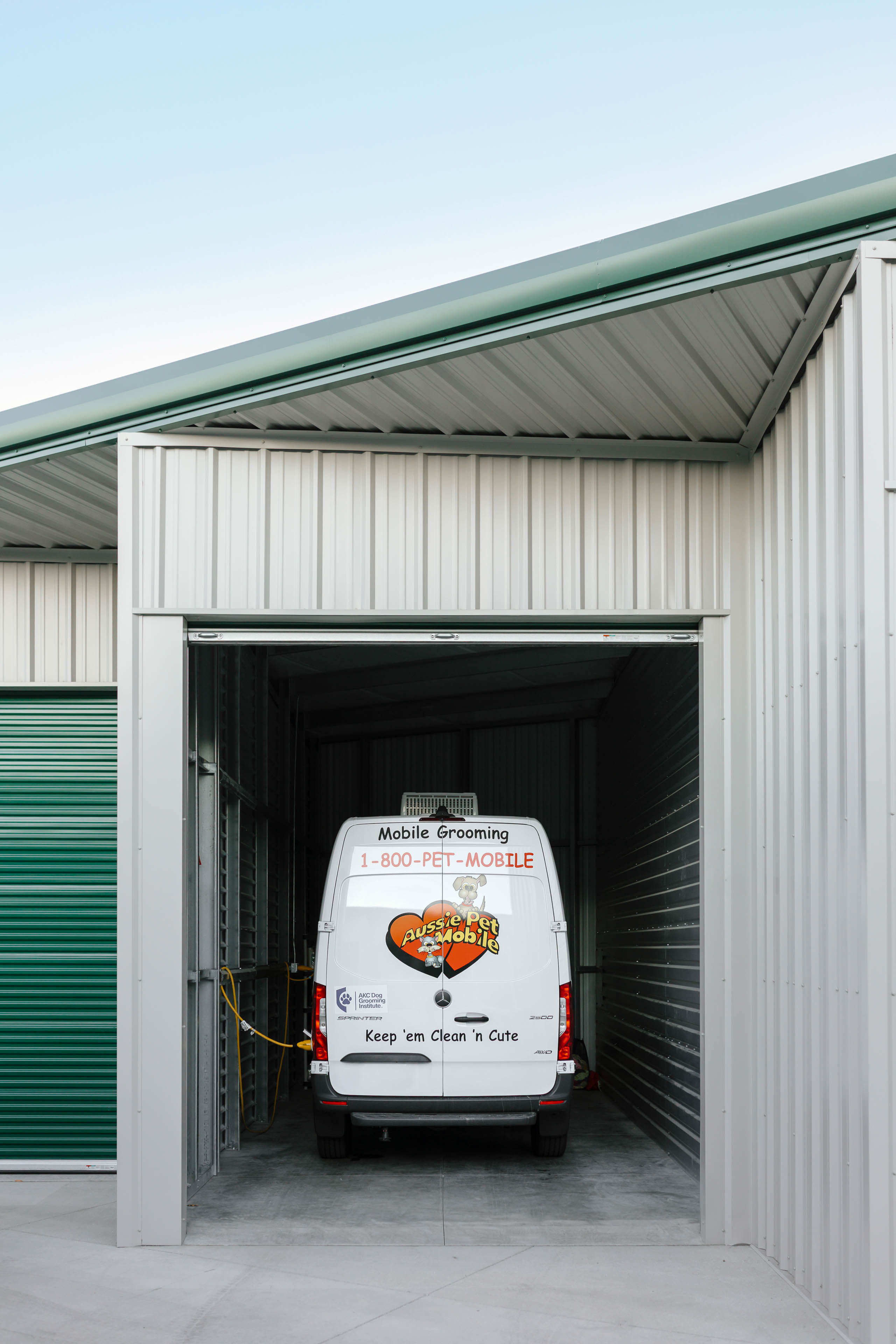
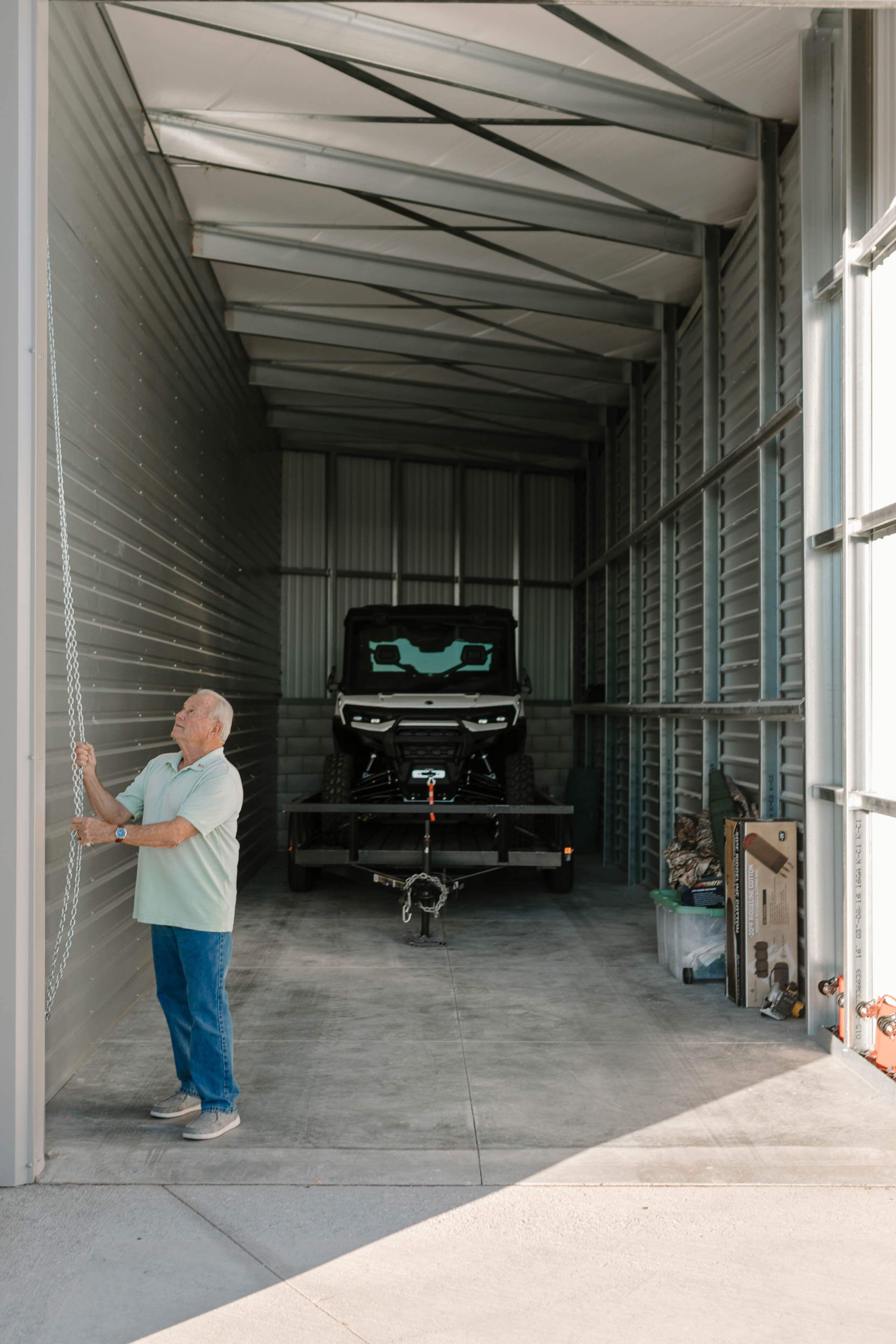
- Spacious paved lot and oversized drive aisles for wide turn radius—ideal for trailers, campers and large vehicles.
- Convenient dump station onsite.
- Easy online rental and payment system—reserve and pay from home.
Types of Storage Units
We offer three flexible storage options to meet your exact needs:
- Climate-Controlled Units – Protect your vehicle, fine art, and collectibles from extreme temperatures, dust, and humidity. Our climate-controlled storage units maintain a stable environment year-round, keeping your most valuable possessions safe from the elements.
- Non-Climate Units – Ideal for vehicles built to withstand outdoor conditions.
- Covered Units – Overhead protection from sun and debris.
Additionally, we have several uncovered and open parking spaces as an alternative for your vehicle.
What Vehicles Can You Store Here?
Our facility is perfect for storing a wide variety of vehicles, including:

Everyday Cars
Sedans, SUVs, sports cars
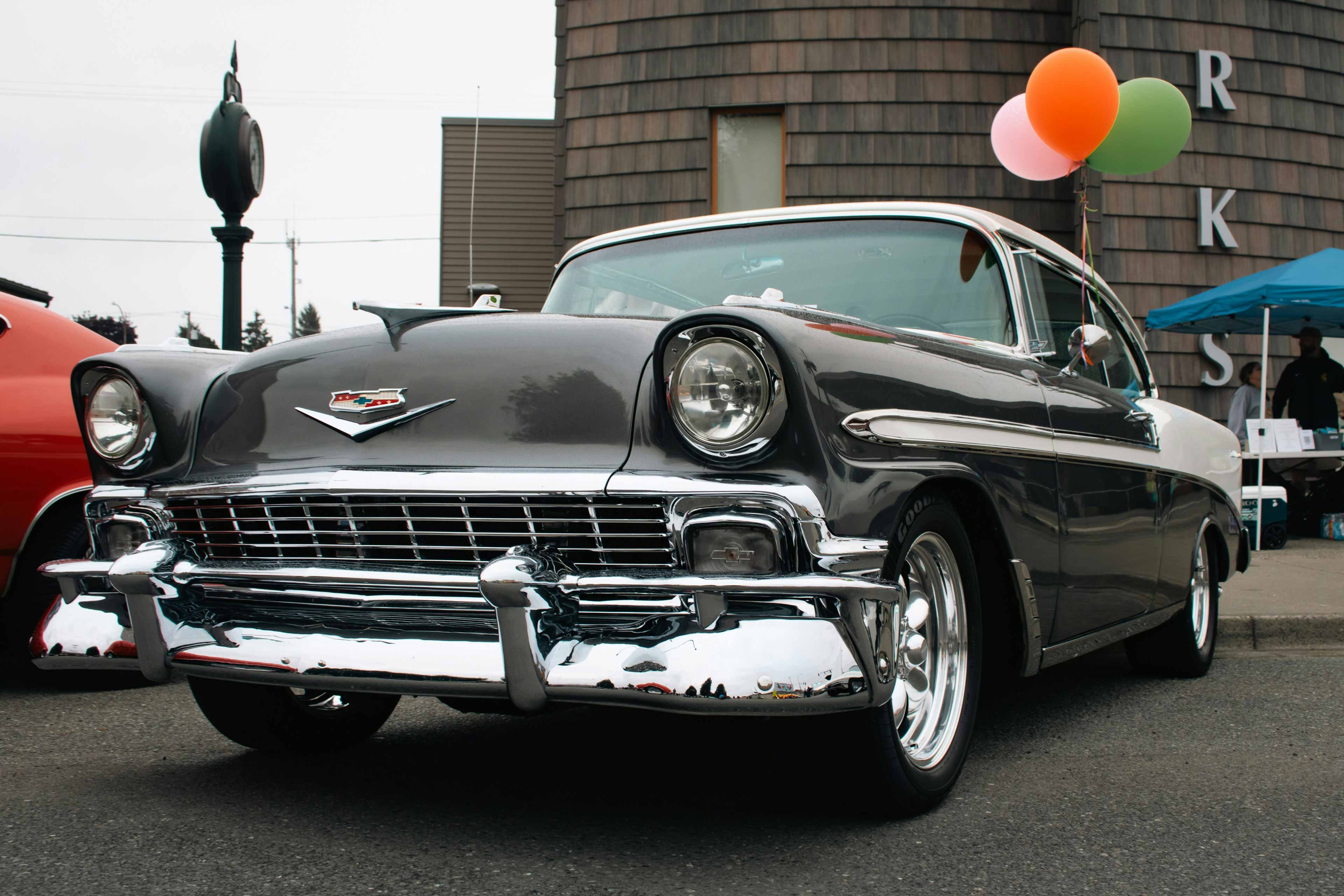
Collectible And Classic Cars
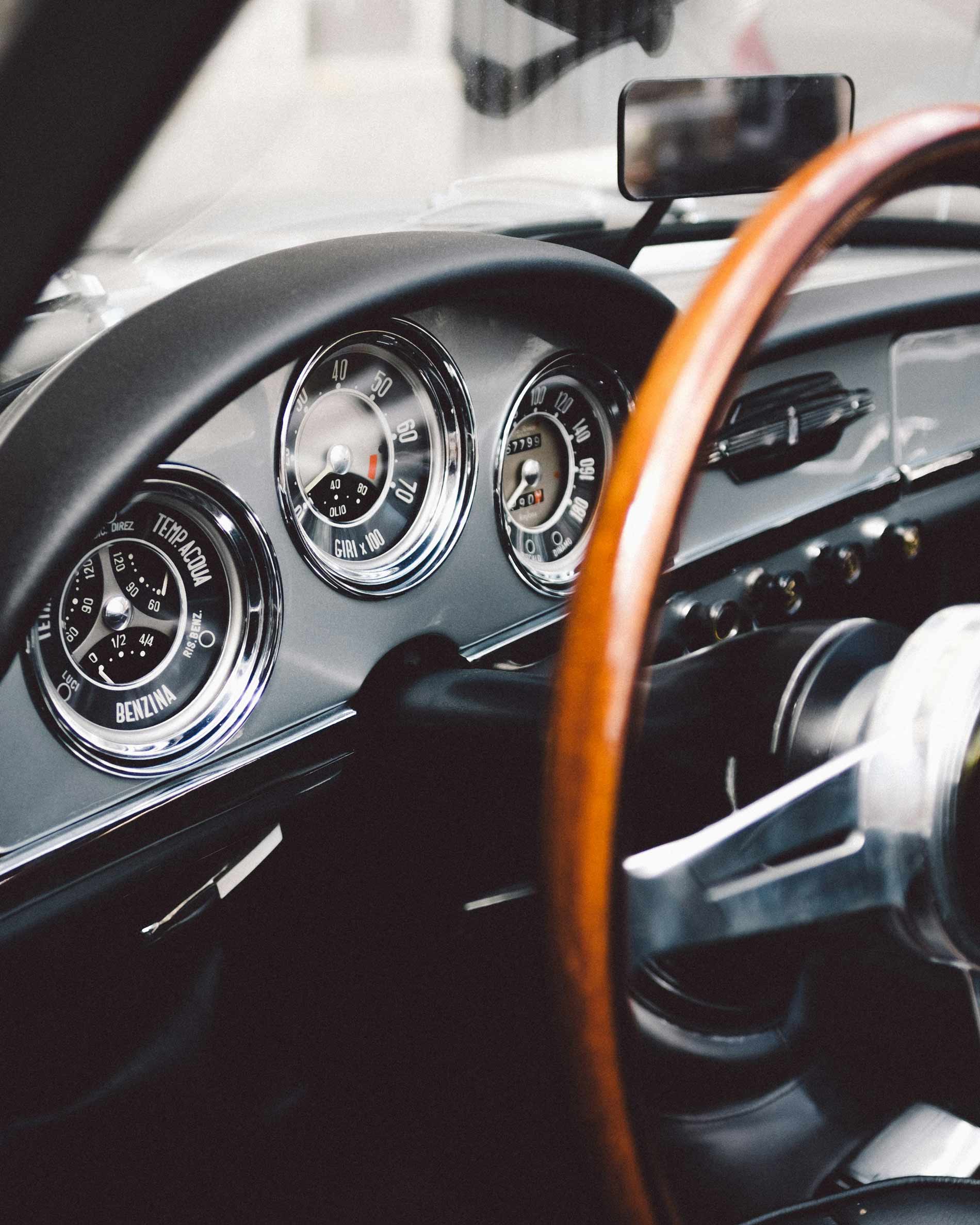
Vintage models, muscle cars, show cars

Exotic Vehicles
Supercars, imports, limited‑edition models
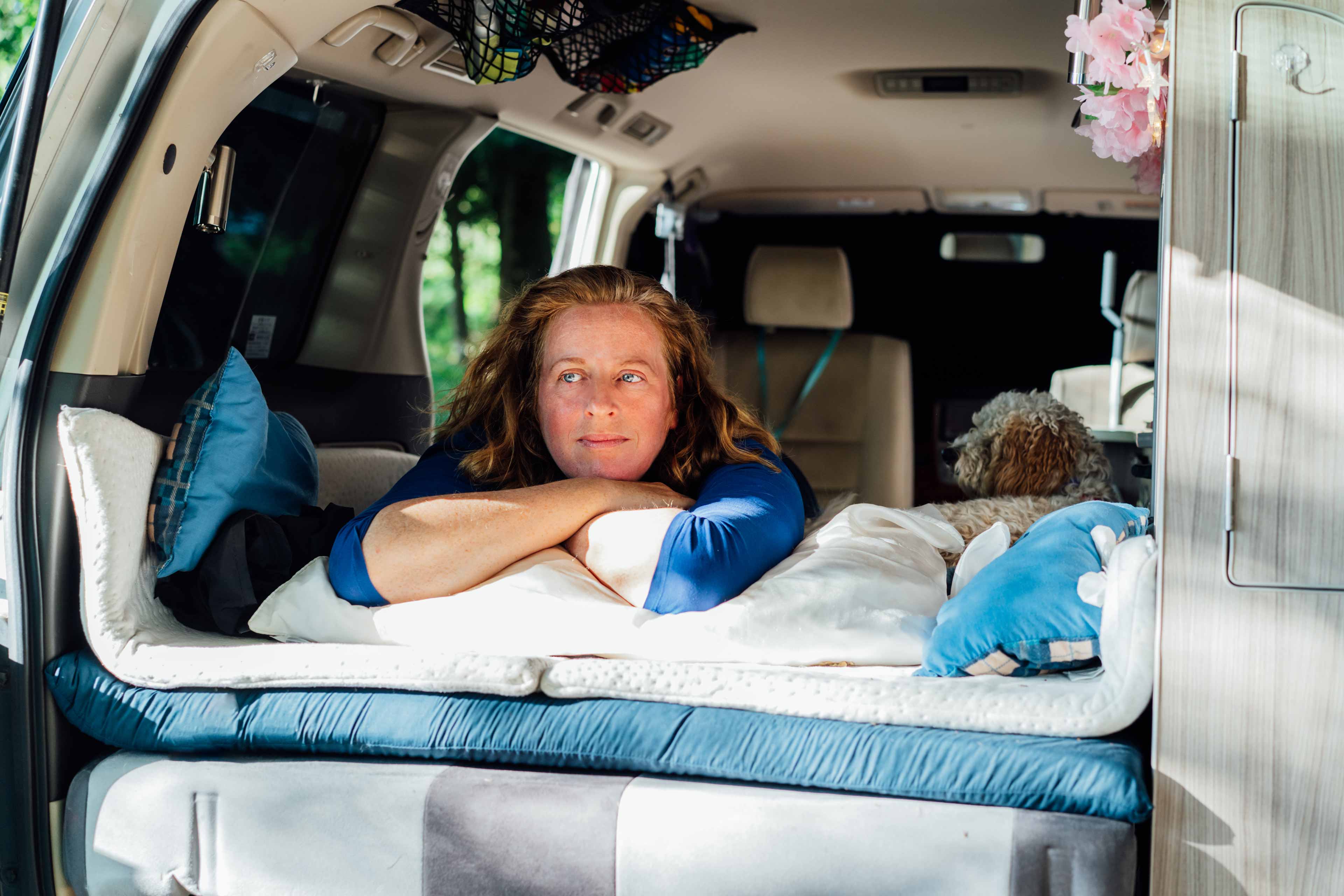
Utility Vehicles
Conversion vans, custom builds, off‑road rigs
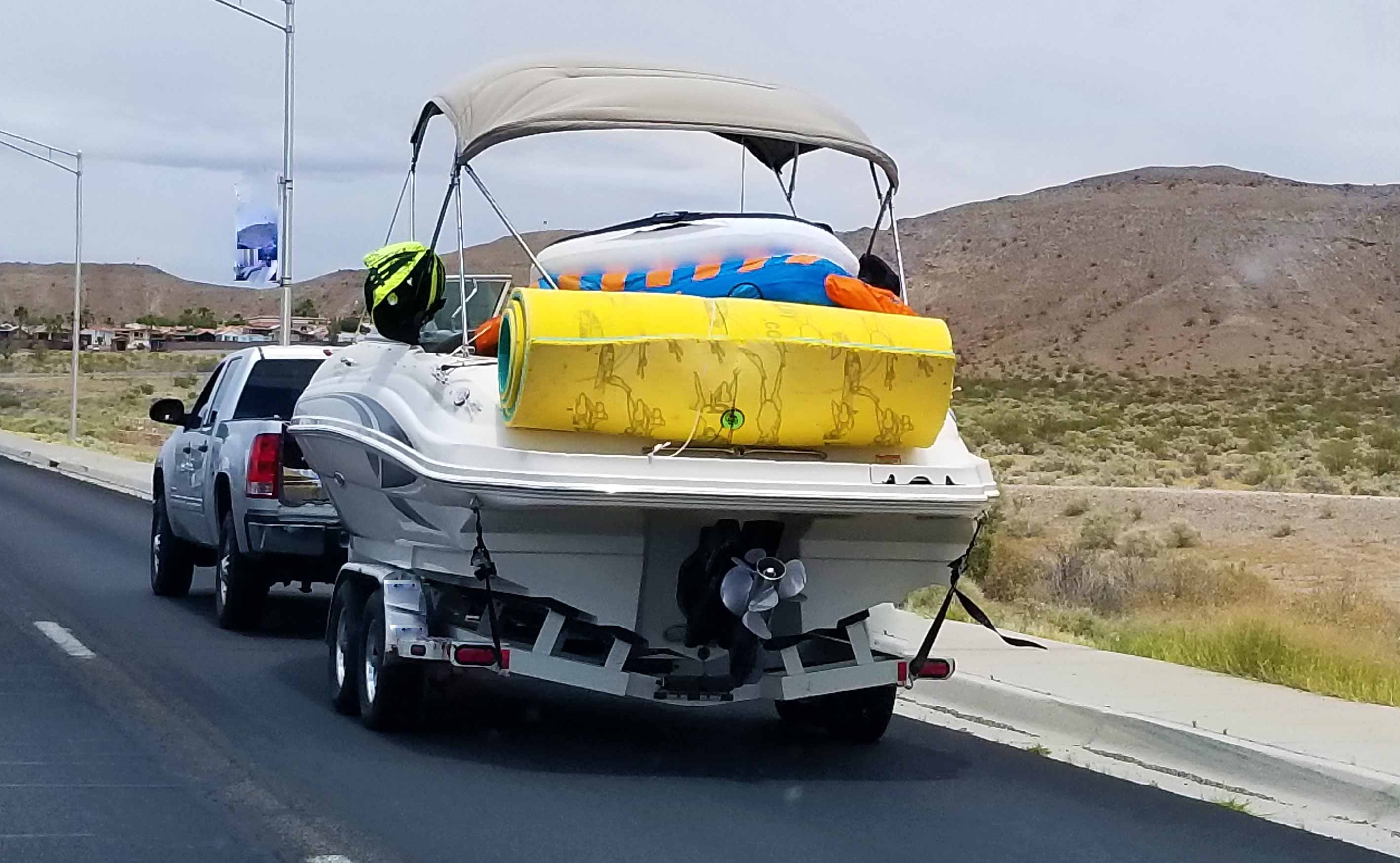
Seasonal Vehicles
Motorcycle trailers, boat trailers, camper trucks
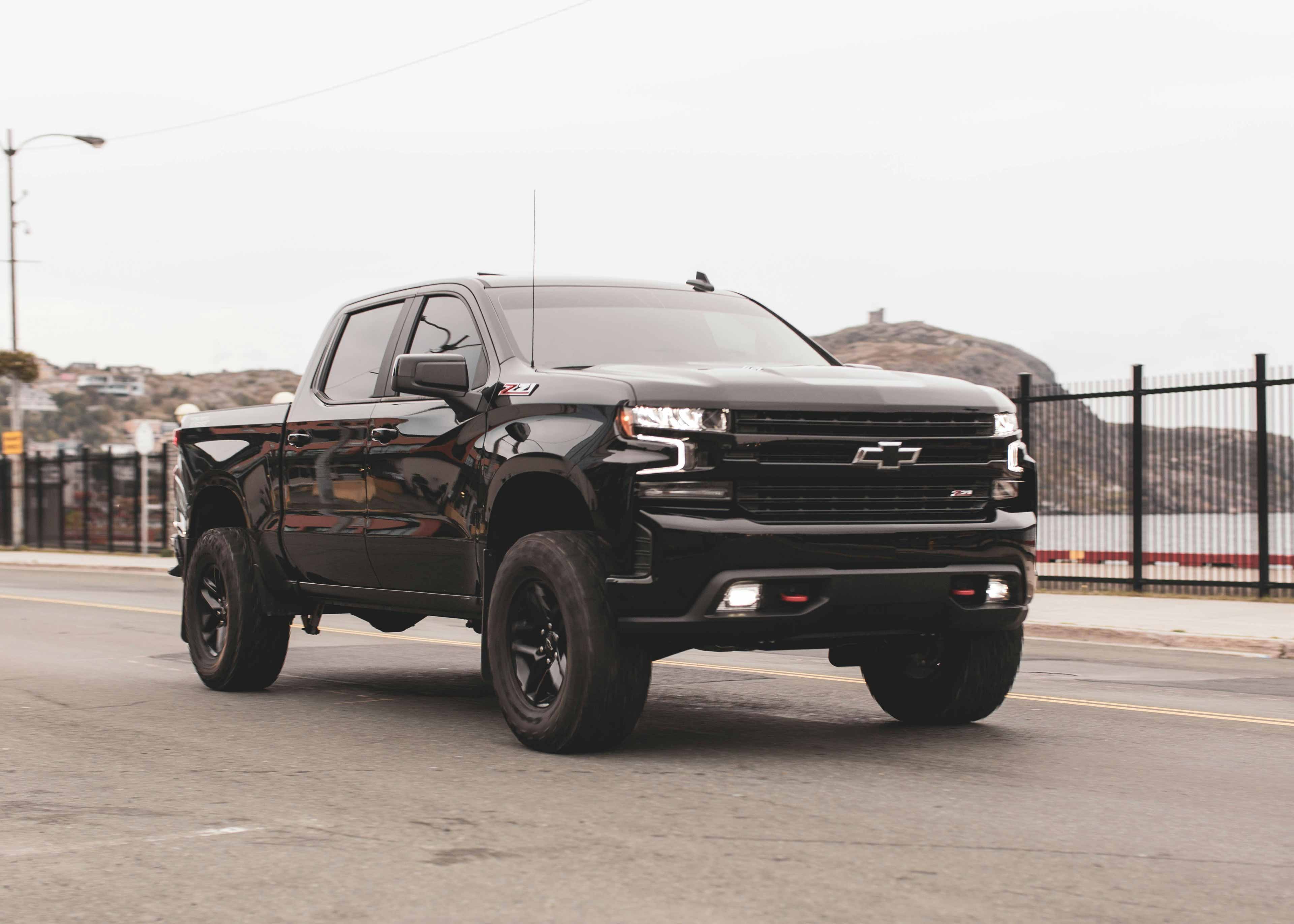
Large Pickup Trucks
Extended-cab trucks, lifted trucks, or vehicles with oversized modifications.
Prepare Your Car For Storage
How should I clean my car before storing it?
- Wash and wax your vehicle thoroughly to remove dirt, grime, and road salt.
- Clean the interior and remove food, trash, and any items that could attract pests.
- Ensure the car is completely dry to prevent mold or mildew.
Should I fill the gas tank before storage?
Yes, fill the tank to about 90–95% full. This prevents moisture buildup inside the tank and reduces the risk of rust. Adding a fuel stabilizer is recommended if the car will be stored for more than a month.
What should I do about the battery?
Disconnect the battery if storing for several months. Alternatively, use a trickle charger or battery maintainer to keep it charged.
How should I protect the tires?
Inflate tires to the recommended pressure to prevent flat spots. If storing long-term, consider using tire cradles or placing the car on jack stands.
Should I cover my car?
Yes, a breathable car cover is recommended, especially for covered or outdoor units. Avoid plastic covers that trap moisture, which can damage the paint.
Do I need to disconnect the parking brake?
Yes, release the parking brake to prevent sticking over time. Use wheel chocks if needed to prevent rolling.
How often should I check on my car?
If possible, visit the storage unit periodically to inspect the car, start it, and ensure everything is in good condition.
Can I store my classic or collectible car long-term?
Absolutely! Climate-controlled units are ideal for classic, exotic, or collector vehicles, protecting them from extreme temperatures, dust, and humidity.
Do I need insurance while my car is in storage?
Yes, maintain comprehensive insurance coverage. Some facilities may require proof of insurance.
Any tips for long-term storage?
- Use a fuel stabilizer, disconnect the battery, and inflate tires properly.
- Keep the storage space clean and free of pests.
- Consider periodic engine starts or professional storage prep services for long-term storage.
Scroll down to view our recommended checklist to store your vehicle here.
Vehicle Storage Preparation Checklist
1. Clean & Protect
- Wash and wax exterior
- Clean interior & remove food/trash
- Ensure car is completely dry
2. Fuel & Fluids
- Fill gas tank to 90–95%
- Add fuel stabilizer for long-term storage
- Check oil, coolant, and other fluids
3. Battery Care
- Disconnect battery for long-term storage
- Or use a trickle charger / battery maintainer
4. Tire Prep
- Inflate tires to recommended pressure
- Use tire cradles or jack stands for long-term storage
5. Parking & Security
- Release parking brake
- Use wheel chocks if needed
- Consider a breathable car cover
6. Regular Checks
- Inspect car periodically
- Start engine occasionally
- Ensure no pests or moisture issues
7. Insurance
- Maintain comprehensive coverage
- Keep proof of insurance on file
Special Tips for Collectibles
- Climate-controlled units are ideal for classic and exotic cars
- Avoid plastic covers that trap moisture
- Consider professional storage prep for long-term protection

Move In Today
1
Pick A Unit
2
Create An Online Account
3
Pay and Move In
Store your boat, RV, vehicle, commercial or personal items with us.